
Behind the ceremony
The room sees a name and a round of applause. The work behind that name took a year, and most of it happened far from the lights.
A SOC analyst takes the call at twenty past nine on a weekday evening. An alert that looked like noise an hour ago has grown a pattern, and the pattern points at a finance server that should be quiet at this time. She does not raise her voice. She isolates the host, pulls the logs, and starts the slow business of working out what happened and how far it went. By the time the office fills up the next morning, the intrusion is contained and the report is half written. Nobody outside the team will ever hear about it.
That evening is the reason a ceremony exists. Months later, in a room with a stage and a microphone, someone reads a citation for work of exactly that shape. The audience claps. What the audience does not see is the year of reading, scoring, and argument that put the name on the card. This is an account of that year, and of the night it leads to.
The night the room remembers
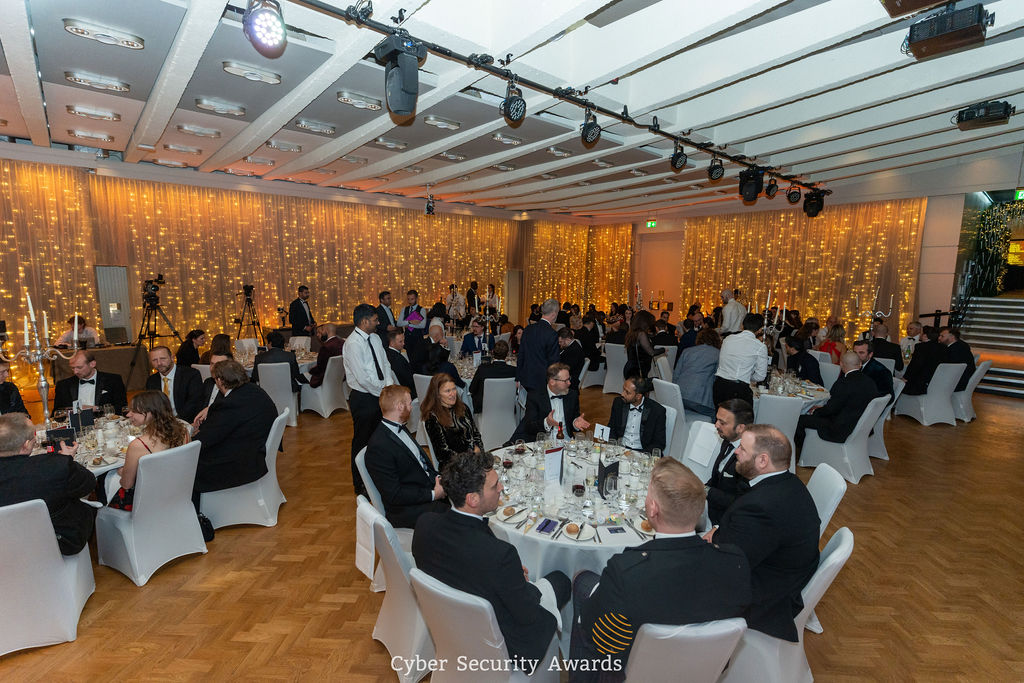
A cyber security awards ceremony reads, from a seat in the room, like a single evening. Dinner is served. A host works through the categories. Names appear on a screen, finalists are read aloud, and one name in each category is called to the stage. There are photographs, a short citation, and a handshake. The whole thing takes a couple of hours.
The evening is built to be calm rather than loud. The people being recognised spend their working lives in pressure and quiet, so the night is shaped around them: a clear citation, time to take it in, and a record that outlasts the applause. The point of the room is to put the right person under the light for a moment and let the field see them clearly.

A year of reading before a single name is read
The ceremony is the last week of a process that takes most of a year. Nominations open and stay open to anyone who wants to put a name forward, including a colleague nominating the analyst who would never enter herself. When money is not the gate, the pool fills with people who did the work rather than people who could pay to be considered.
Once nominations close, the reading begins. Judges work through evidence one entry at a time, scoring each against criteria that are published in advance so nobody is guessing at a moving target. Shortlists are drawn. Disagreements are had in the open and settled on the evidence. By the time a finalist list is fixed, every name on it has survived more scrutiny than the applause will ever suggest.

Who sits on the panel, and who does not
The judges are practitioners and independents, drawn from the field rather than from the organisers. They read under a simple constraint: a judge with a connection to an entry steps back from that category. This is the quiet machinery that lets a result mean something. The panel exists to read the work, and the organisers exist to run the night, and the two jobs are kept apart on purpose.
There is one boundary worth stating plainly. No sponsor, partner, or commercial relationship reaches the scoring. The companies that help fund the evening do not appear in any ranking and cannot win, because the moment a result can be influenced by who paid for the room, the result stops being worth reading. The wall between the dinner and the decision is the whole product.
What a citation is really measuring
A good citation names a specific thing a person did. The responder who shortened the time an intruder spent inside a network. The researcher who reported a flaw responsibly and waited for the patch before taking any credit. The team that held its shape through a bad week and kept a service running for people who never knew it was at risk. These are the stories the panel is reading for, and they rarely arrive with a press release attached.
This matters because the wider field draws on real evidence about where threats sit and how defenders respond. Bodies such as the Verizon Data Breach Investigations Report, ENISA, and the UK National Cyber Security Centre describe a landscape where most of the meaningful work is quiet, repetitive, and invisible to the market. An award judged on merit is built to find precisely that work, the kind that no league table would ever surface on its own.
The categories that lead to the stage
In 2026 the programme honours ten categories, restructured from earlier years into a cleaner shape. Five recognise individuals: the Rising Star, the Cyber Security Professional, the Leader, the Influencer, and the Advocate. Five recognise organisations: the Community, the Company, the Product, the Service, and the Team. Each one runs the same route from nomination to evidence to panel to stage.
The split is deliberate. An individual award names a person whose own judgement made the difference. An organisation award names a group whose combined work held up over time. Both kinds of name join a Hall of Fame that reaches back to 2015 and still reads as a coherent record, because the basis for entry has never changed and never quietly became a price list.
The walk to the stage
When a name is called, the walk is short and the citation is shorter. A few sentences describe the work, the winner takes the trophy, and the photographs are done in under a minute. It looks slight against the year that produced it, and that is by design. The person on the stage rarely wants a speech about themselves. They want the work named accurately, in front of people who understand what it cost.
The finalists who do not win matter here too. Reaching a shortlist means an independent panel read the evidence and judged it strong. Many of the names in the Hall of Fame were finalists before they were winners, and the citation they eventually received was worth more for having been earned slowly.
Why the basis of the night matters afterwards
A name chosen on merit keeps working after the lights go down. It can be cited by a board deciding who to trust or quoted by a journalist weighing a story. A purchased trophy carries one fact, that someone had budget. A judged citation carries a verified account of work that held.
That is the real distance between the two hours in the room and the year that produced them. The applause lasts a moment, while the record lasts because of how it was made, so if you know a defender whose quiet evening deserves a citation that cannot be bought, put their name forward before this year's nominations close.
What the evening actually looks like



The ceremony, answered
How long is the judging that leads to the ceremony?
It runs most of the year. Nominations open to anyone and stay open for a set window. After they close, an independent panel reads every entry and scores it against published criteria, draws shortlists, and fixes finalist lists. The evening itself is the last visible step.
Can a company pay to win or to be a finalist?
No. A place on the stage cannot be bought, sponsored, or negotiated. Sponsors who help fund the evening appear in no ranking and cannot win, so the citation a winner receives reports verified work rather than a marketing budget.
How many categories are recognised in 2026?
Ten. Five recognise individuals (Rising Star, Professional, Leader, Influencer, Advocate) and five recognise organisations (Community, Company, Product, Service, Team). Each runs the same route from nomination to evidence to panel to stage.
Who judges the awards?
Practitioners and independents drawn from the field rather than from the organisers. A judge with any connection to an entry steps back from that category, which keeps the scoring separate from the people running the night.