The independent record of who defends the digital world.
Breaches make the headlines. The people who stop them rarely do. Since 2014 the Cyber Security Awards have put those people on the record, judged on the work and nothing else.
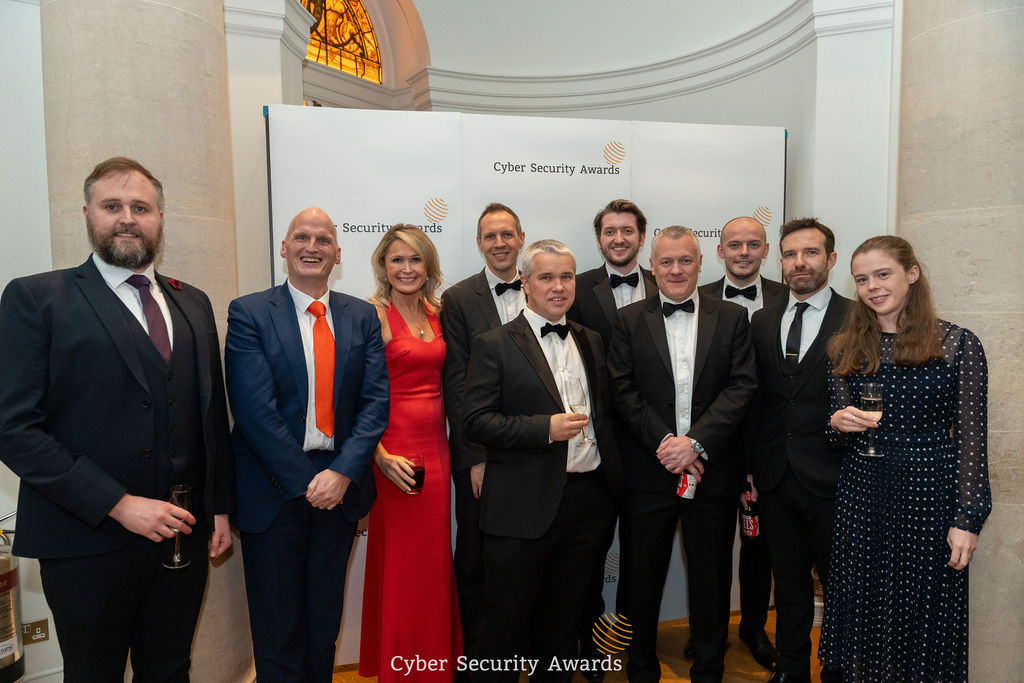
A decade of naming the work
The first winners were recognised in 2015. Each year since, peers and the wider community have put forward the people whose work holds the line, and a panel has read those nominations in full before scoring them. One year, 2024, ran no edition. Every other year is on the record.
The field changes, and the categories change with it. In 2026 the programme was restructured into two clean halves: five categories for individuals, from Rising Star through to Advocate, and five for organisations, from Product to Community. The intent stayed the same. Honour the people. Name the work.
What makes the Cyber Security Awards different?
The programme is built on independence, transparency and merit.
- Independent judging. Every nomination is assessed by an experienced panel of judges against published judging criteria.
- Merit-based recognition. Sponsorship, partnerships and commercial relationships have no influence over judging decisions or award outcomes.
- Global programme. The awards welcome nominations from organisations and professionals around the world and have recognised excellence across more than 40 countries.
- Transparent process. Clearly defined judging criteria help ensure every nomination is evaluated fairly and consistently.
The Cyber Security Awards recognises individuals, teams, companies, products, services, and communities that are driving excellence and innovation across the global cybersecurity industry.
To learn more about how nominations are assessed, visit our Criteria page. To explore previous finalists and winners, visit the Hall of Fame.
Recognition, everywhere
Cyber security is a global challenge, so recognition should travel. From 2025 the programme announces its winners online, which puts a result within reach of innovators anywhere, not only those who can fill a room in one city on one night. The reach behind it is real: more than 1.6 million cyber security professionals worldwide, and an international panel drawn from across the field.
The stage did not disappear; it moved closer to where the work happens. Select winners receive an exclusive hospitality package to collect their award in person at a leading partner conference, in Singapore, Vietnam, Thailand, Cambodia, Dubai or Denmark. Online for everyone, in person for the moments that warrant it.
Where winners are celebrated